W²WER²L
HomeLab GoalHighlightsTeamWorksGuidelinesAbout
Contact
HomeLab GoalHighlightsTeamWorksGuidelinesAboutContact
W²WER²L

A university research laboratory dedicated to advancing civil engineering through cutting-edge research in structural, geotechnical, transportation, hydraulic, and materials engineering.

Explore

HomeLab GoalHighlightsTeamWorksGuidelinesAbout

Research

HydraulicsFlood ResilienceDigital TwinsSustainable Materials

Contact

lab@university.eduTel: 051-200-5738LinkedIn
© 2026 WER²L. All rights reserved.Civil & Environmental Engineering Laboratory
    Back to Works
    Stream Water Quality Control and Odor Reduction through a Multistage Vortex Aerator: A Novel In Situ Remediation Technology
    Paper
    Published

    Stream Water Quality Control and Odor Reduction through a Multistage Vortex Aerator: A Novel In Situ Remediation Technology

    May 23, 20230
    Download PDF

    Authors

    DG
    Dr.Arnab Ghosh
    First Author
    SP
    Sunghyuk Park
    Corresponding

    Abstract

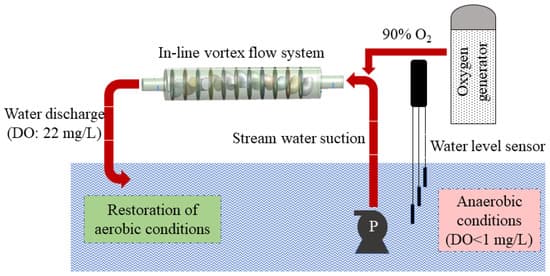
    Abstract In this work, we report the restoration of a polluted urban stream by employing the multistage vortex aerator (MVA), an in-line mixer device that improves the dissolved oxygen concentration of polluted streams and accelerates the water purification rate. It was observed during the field experiment that the dissolved oxygen was enhanced up to 7.05 mg/L and the water quality was improved to a good grade. As a result, the complex odor was successfully eliminated and reduced by up to 71.9%, while the water quality grade was also improved by more than two grades on average. Stream water quality indicators monitored for twelve months revealed high removal rates of total phosphorous (56.4%) and suspended solids (61%). The study demonstrated MVA as a promising eco-friendly technology for significant improvement in urban stream water quality. Moreover, the MVA process creates no secondary pollution and is believed to be a sustainable treatment option for odorous water bodies. Overall, the MVA process is technically feasible for implementation, and this study provides a specific reference as a basis for the treatment of polluted water bodies in urban settings.

    Related Works

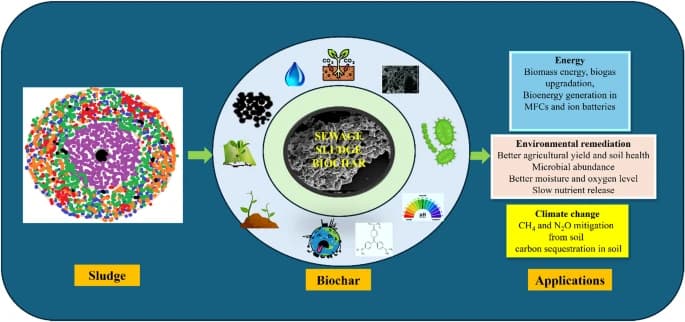
    Biochar-assisted aerobic granulation in enhanced biological treatment of landfill leachate with municipal wastewater for sustainable resource recovery: A biorefinery approach
    Paper2025

    Biochar-assisted aerobic granulation in enhanced biological treatment of landfill leachate with municipal wastewater for sustainable resource recovery: A biorefinery approach

    View work 0
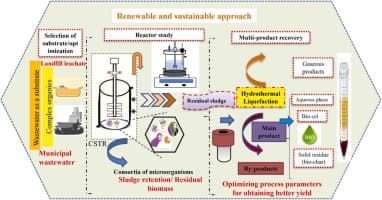
    Aerobic Granular Sludge as a Resource for Sludge-Based Biorefineries: Advances, Challenges, and Circular Economy Potential
    Paper2026

    Aerobic Granular Sludge as a Resource for Sludge-Based Biorefineries: Advances, Challenges, and Circular Economy Potential

    View work 0
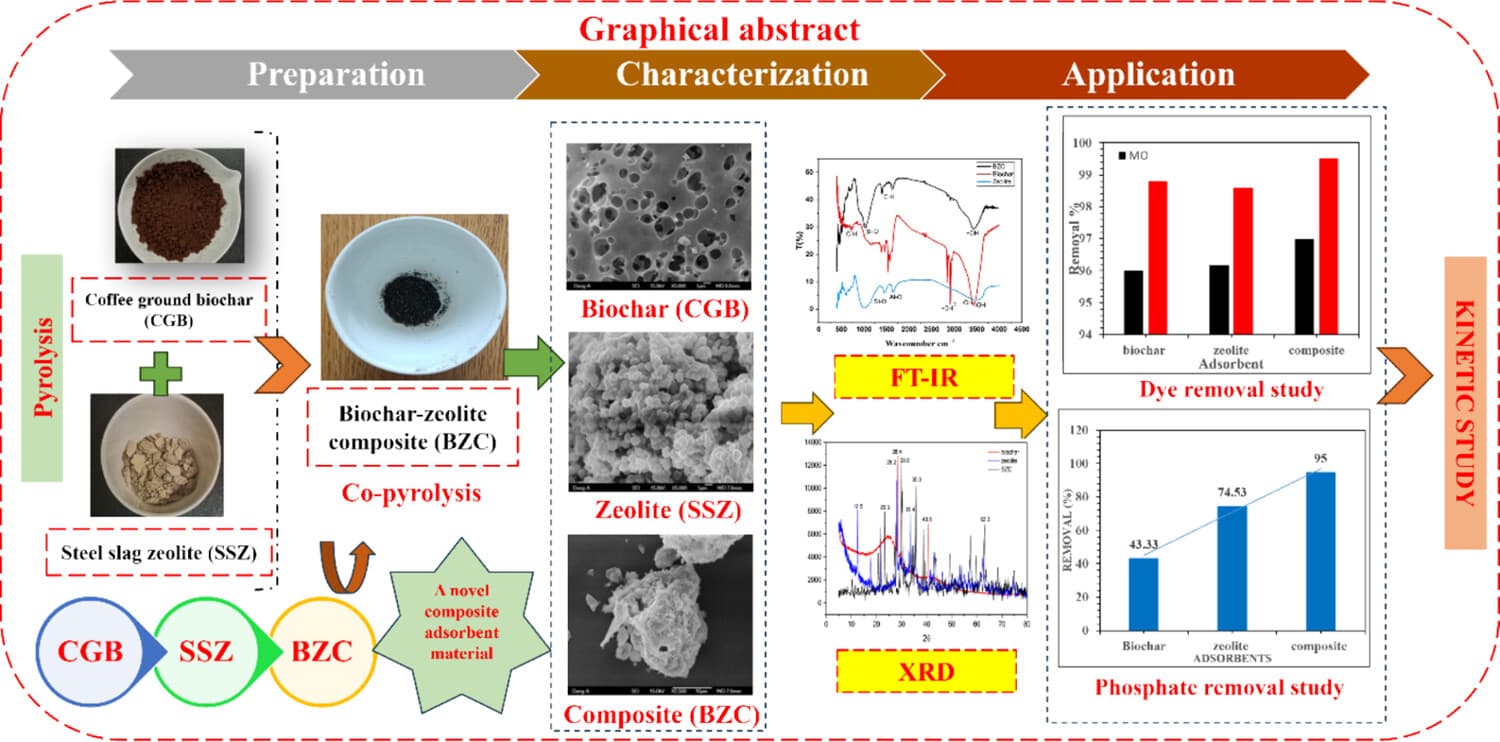
    Synthesis of novel composite material with spent coffee ground biochar and steel slag zeolite for enhanced dye and phosphate removal
    Paper2024

    Synthesis of novel composite material with spent coffee ground biochar and steel slag zeolite for enhanced dye and phosphate removal

    View work 0
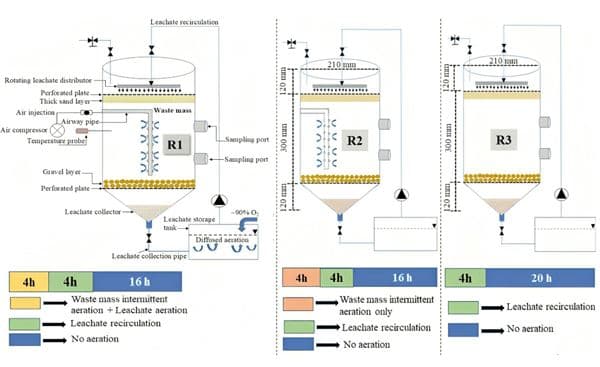
    Oxygenated Leachate Recirculation for Enhanced MSW Stabilization and Landfill Space Reclamation: Lab-Scale Bioreactor Insights
    Paper2025

    Oxygenated Leachate Recirculation for Enhanced MSW Stabilization and Landfill Space Reclamation: Lab-Scale Bioreactor Insights

    View work 0